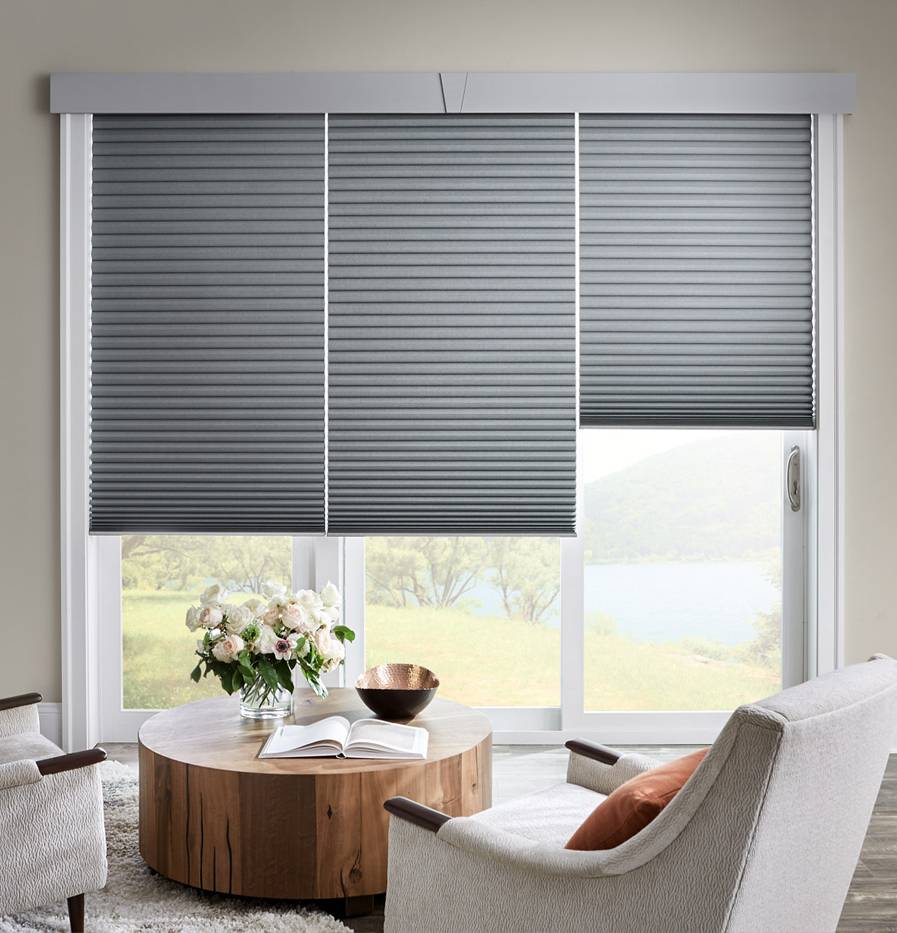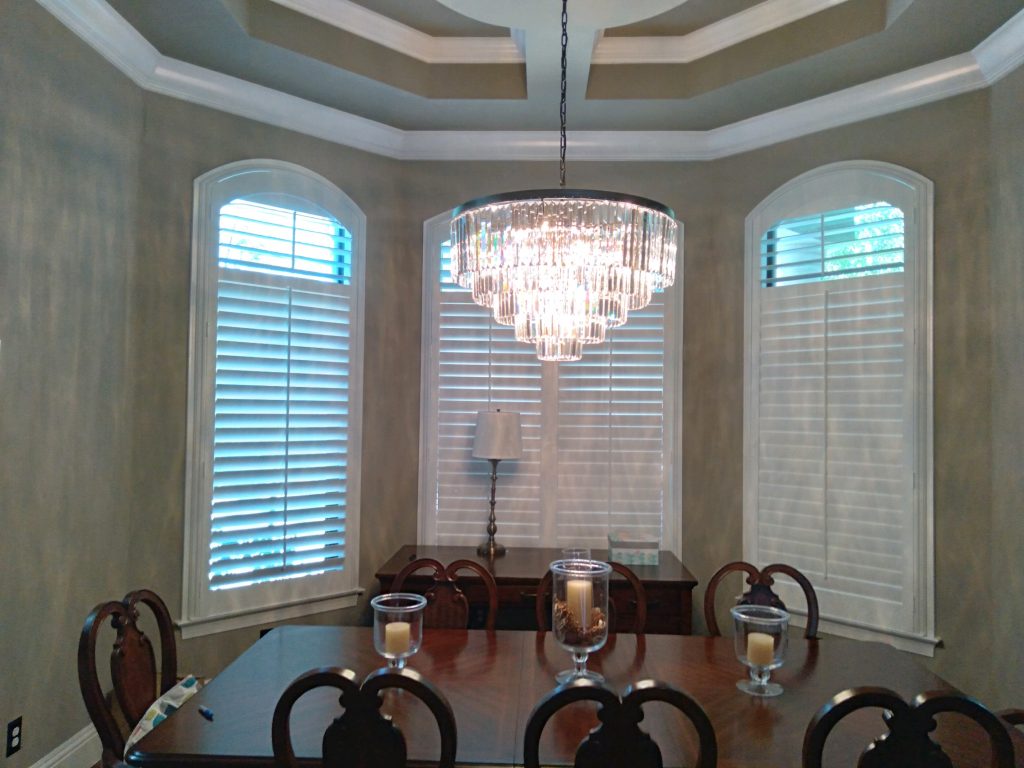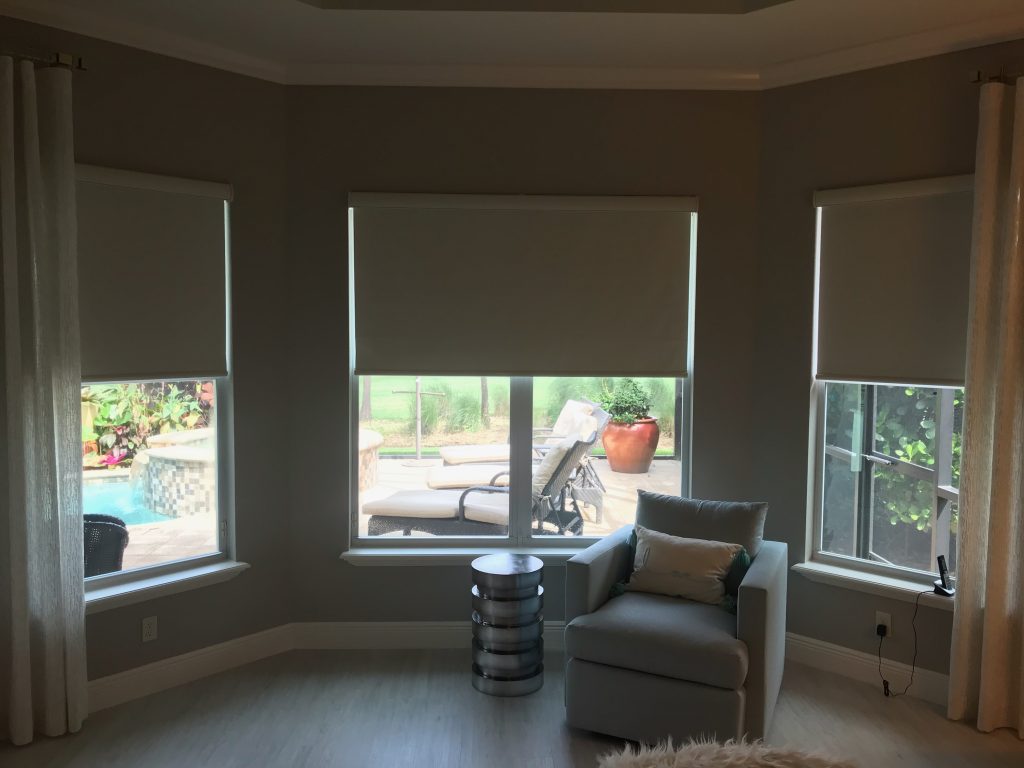
Cellular shades — sometimes called honeycomb shades — are engineered for one thing above all: insulation. The honeycomb cells trap a layer of air against the glass, dramatically reducing heat transfer and energy loss.
Charlotte Harbor moderates temperature slightly vs the Gulf coast, but humidity stays in the 75-85% range year-round. Salt aerosol affects all waterfront homes. Summer thunderstorms bring brief but intense UV gaps and humidity spikes.
Port Charlotte's older 1970s housing stock has a lot of single-pane sliders that leak conditioned air — cellular shades are the most cost-effective retrofit short of replacing the glass. Active-adult community homes in Riverwood typically benefit most from cellular's combination of energy efficiency and ease of operation.
The cell count determines the insulation value. Single-cell is the most affordable and works in moderate-light rooms. Double-cell adds significant R-value — the right call for any room with a west-facing window or a glass door. Triple-cell hits the highest insulation values and is the spec for great rooms with vaulted glass walls.
Bedrooms get blackout cellular shades — the cells are lined with a blackout backing for total darkness. Living and dining rooms get light-filtering cells that diffuse soft daylight without harsh glare. Bathrooms and kitchens often get top-down/bottom-up cellular shades, so you can drop the top for daylight while keeping the bottom raised for privacy.
The honeycomb cell traps air, which is one of the best natural insulators. Properly installed double-cell cellular shades on a west-facing window can cut summer A/C load on that window by up to 50%. In Florida, where the A/C runs 8-10 months a year, that's a measurable utility-bill difference.
Original 1960s development created a grid of canal-front ranch homes with concrete-block construction and standard window sizes. Post-Charley rebuilds added Mediterranean and contemporary coastal styles. Active-adult communities like Riverwood blend in.
Hurricane considerations: Devastating direct hit from Hurricane Charley (2004) reshaped Port Charlotte's building codes. Ian (2022) made landfall just south, bringing surge and 130mph winds. Impact-rated openings are now standard in nearly all new construction.
Our salaried install team covers every Port Charlotte neighborhood — from South Gulf Cove to El Jobean. We measure on your schedule and install on ours.
We design, build, and install the full range of window treatments for Port Charlotte homes — not just cellular shades.
Free design, free precision measurement, lifetime warranty. We come to you, on your schedule, anywhere in Port Charlotte.